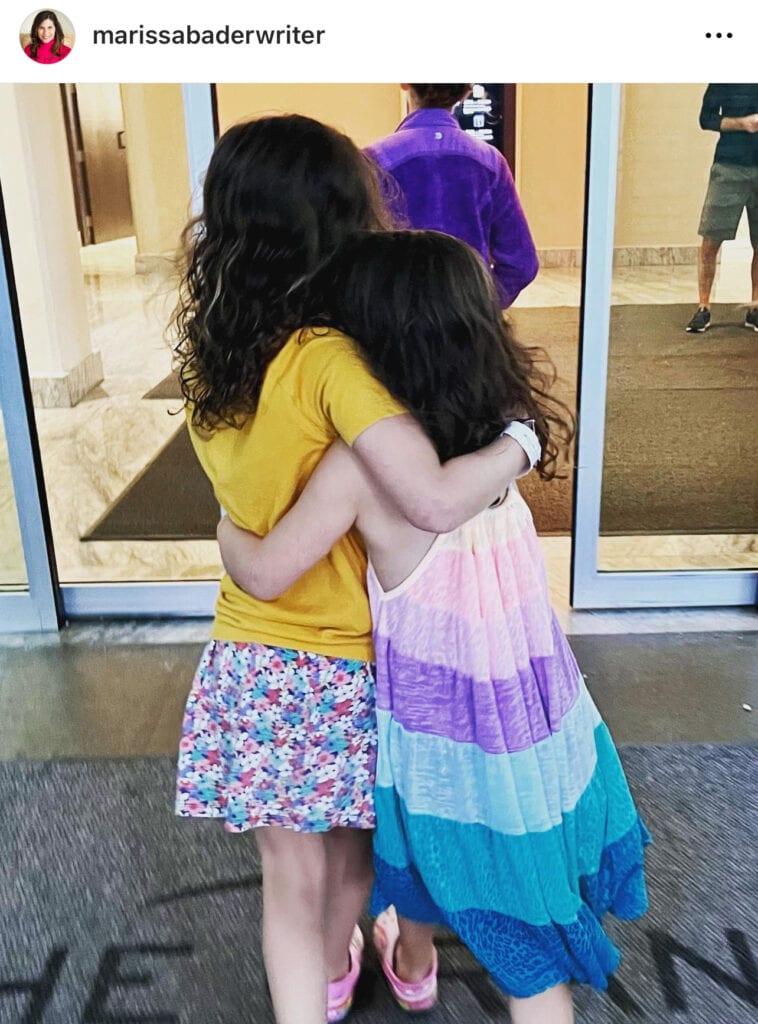
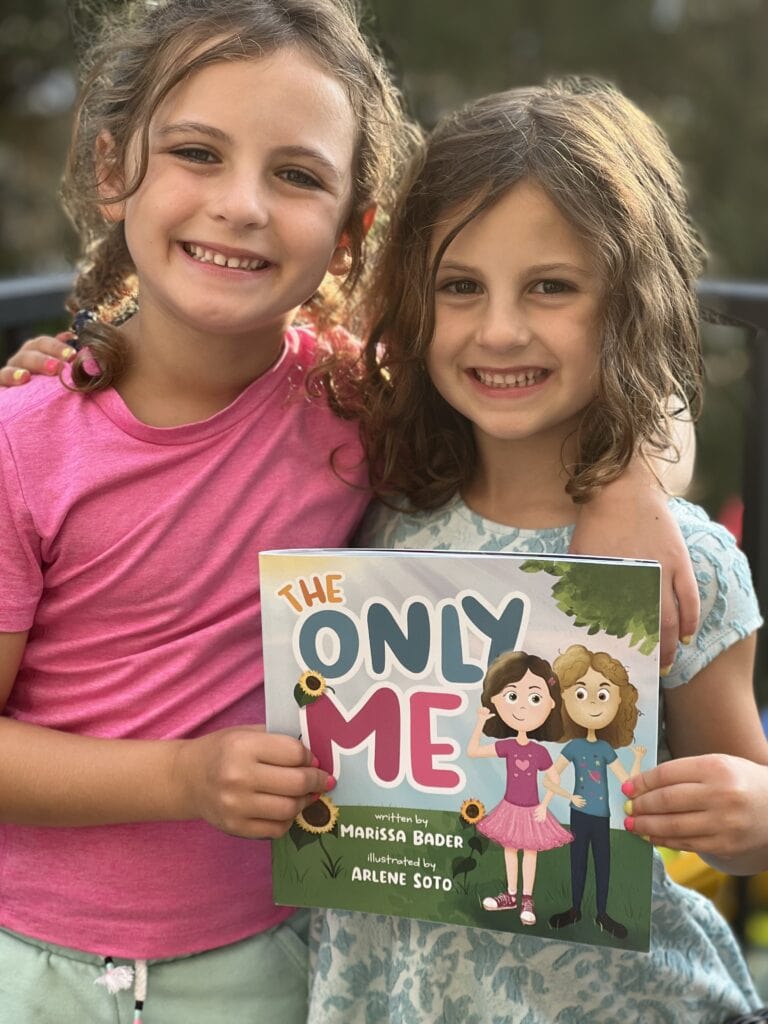
Though I’ve been a writer for as long as I can remember, I’ve only entered my “children’s book era” recently. In fact, I began writing my first children’s book, The Only Me, in the fall of 2021. Though I wasn’t exactly sure what I was doing at first (thank you so much my incredible group of mentors who I’ve learned so much from along the way!) the idea for the story was sparked by an article I pitched and wrote for Lucie’s List, an amazing website and newsletter for expectant and new parents, and where I proudly served as the Twins Editor and mental health writer for several years.
Though my twins are exceptionally different from one another – and yes, they are fraternal (non-identical) – I noticed that well-meaning people (and sometimes even us, their parents – eek!) were often comparing them or commenting about their differences. As time went on, I also started to notice they would say things like, “I’m not good at soccer like my sister,” and, “Oh, she’s the artist, not me.” Or, “I’m the cute one, and she’s the athletic one.”
Ugh.
These comments hit me hard. The last thing I wanted was for them to compare themselves to each other, and worse, use the other’s interests, skills, personality type, and more as a measure of their own identity and self-worth.
This got me thinking: if my girls are experiencing this and they’re fraternal twins, this must be even more challenging for twins who are identical. But not just that, as I started researching, I realized it isn’t just an issue for twins, but for all siblings. It’s just human nature to compare and contrast our kids, to comment about how they’re similar, how they’re different, or wonder why Billy can’t be as neat as Bobby, or why Susie can’t behave as well as Sally, and so on. Over time, all of this can do damage to a person’s sense of self.
And here’s the really wild thing I learned during my research – according to researcher Dr. Plomin, despite some cognitive and physical similarities, siblings aren’t really any more alike than two complete strangers! What?! Crazy, I know.
So rather than my article (linked here) being only about twins, I broadened it to explain why it’s so important that we treat all siblings like individuals… because they are. And when we do this, we help them build a stronger self of self-confidence, worth and overall identity.
After I wrote this, I thought, hmm… this might make a good children’s book! And that’s how the concept for The Only Me was born. And while the main characters of The Only Me are twins (and yep – they’re modeled after my own!), I added in a set of non-twin siblings with different interests and personalities to help Stella understand that it’s okay to be different from her sister; that she likes her friend and her friend’s little sister, because she enjoys doing different things with each of them. She also realizes in the book that many of her friends are different from their siblings – just like her and her twin, Paige.
It’s one thing to understand the importance of treating your kids like individuals, but it can be tricky to implement. In the article I mentioned, there’s lots of tips and tricks for both treating different-aged and twin siblings like their own people, thus helping to honor their unique identities and promote positive self-worth and acceptance. I wanted to share a few of those here with you.
Here are some tips for parents with different-aged siblings, all of which can be seen in much more detail here:
- Don’t compare them.
- Praise them individually.
- Have fun together as a family.
- Respect each child’s unique needs.
- Respect and honor their differences.
- Remind each child what makes them special.
- Spend time alone with each child.
And for parents with twins, here are some tips just for you – all of which we do in our home, as well. Again, for the full lowdown, head here:
- They each get their own birthday cake (advice given to me by a dear friend who is an identical twin herself).
- Remind friends and family often of their unique differences, personality traits, passions and skill sets.
- Let them choose their own clothes — if they want to dress alike, great; but don’t force them to wear matching outfits.
- If you have the space, consider giving them their own rooms… then, as they get older, let them decorate their rooms in a way that matches their individual style and personalities.
- Allow them to participate in the activities they enjoy most — don’t force them to do the same things simply because it’s easier (and believe me — it IS easier!).
- When it comes to toys, don’t feel like you need to buy them the exact same things — steer your gift choices toward their individual interests and personalities.
- When it comes time, consider separating them in school if that works best for your duo and your family.
- Don’t compare them.
- Praise and celebrate what makes each of them special!
I hope you enjoyed learning a bit of the backstory behind The Only Me. If you have a child who could benefit from knowing it’s okay to be different from a sibling, a friend, a classmate, an extended family member, a teammate, or anyone else, I hope you’ll find reading The Only Me, and its follow-up, Stella’s Brave Voice, with them helpful!
I also hope you found some easy-to-implement ideas here for treating your kids uniquely. By all means, if you have other suggestions, please do share in the comments! Parenting should very well be a collaborative journey – one in which we all help each other out (it takes a village, remember?!).
Cheers!
Stay in the loop for updates and special events
We don’t spam! By signing up, you agree to get emails from Marissa Bader.
To ensure you receive my emails make sure to add marissa@marissabader.com to your contacts or list of safe senders. You can unsubscribe at any time.
Connecting Hearts Through Stories
Share
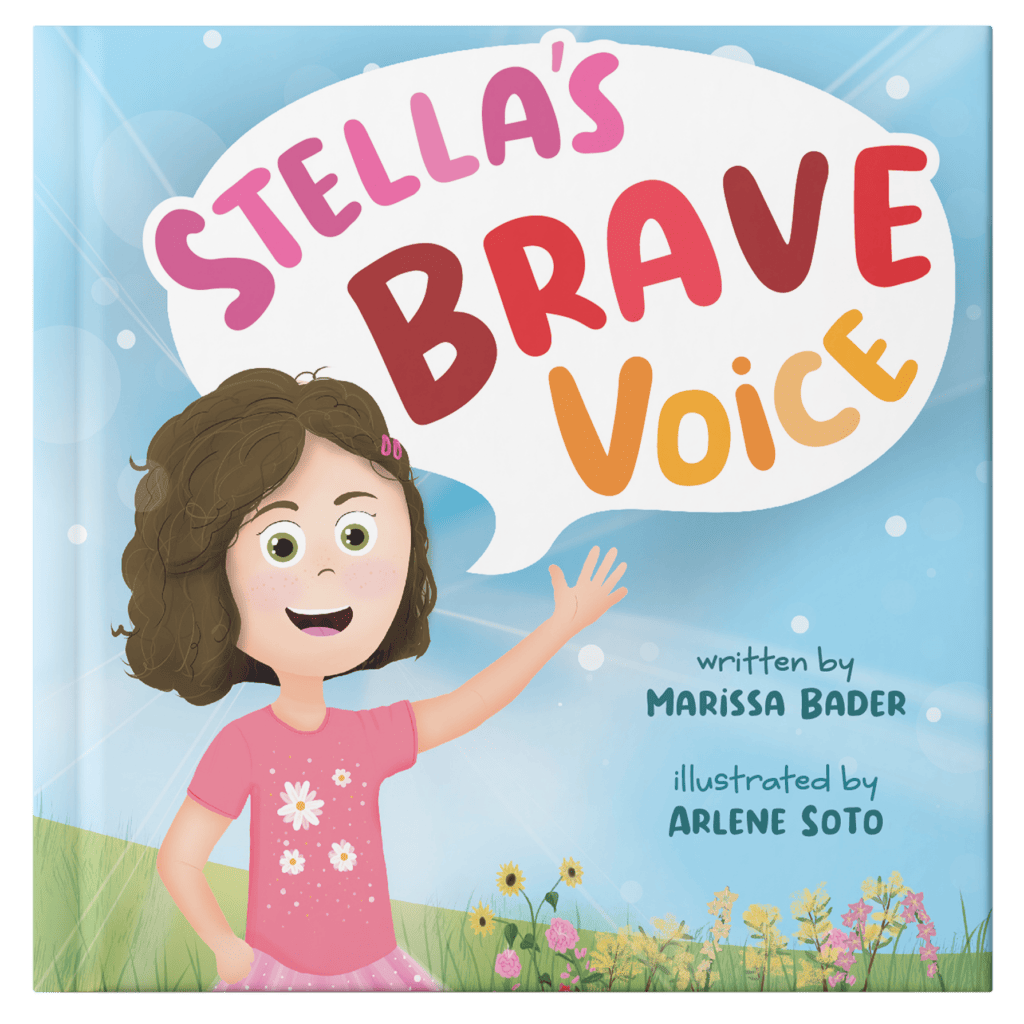
Stella’s Brave Voice follows the twins from The Only Me and has earned a 5-star Book Review Award from Litpick and Reader’s Favorite.
Share
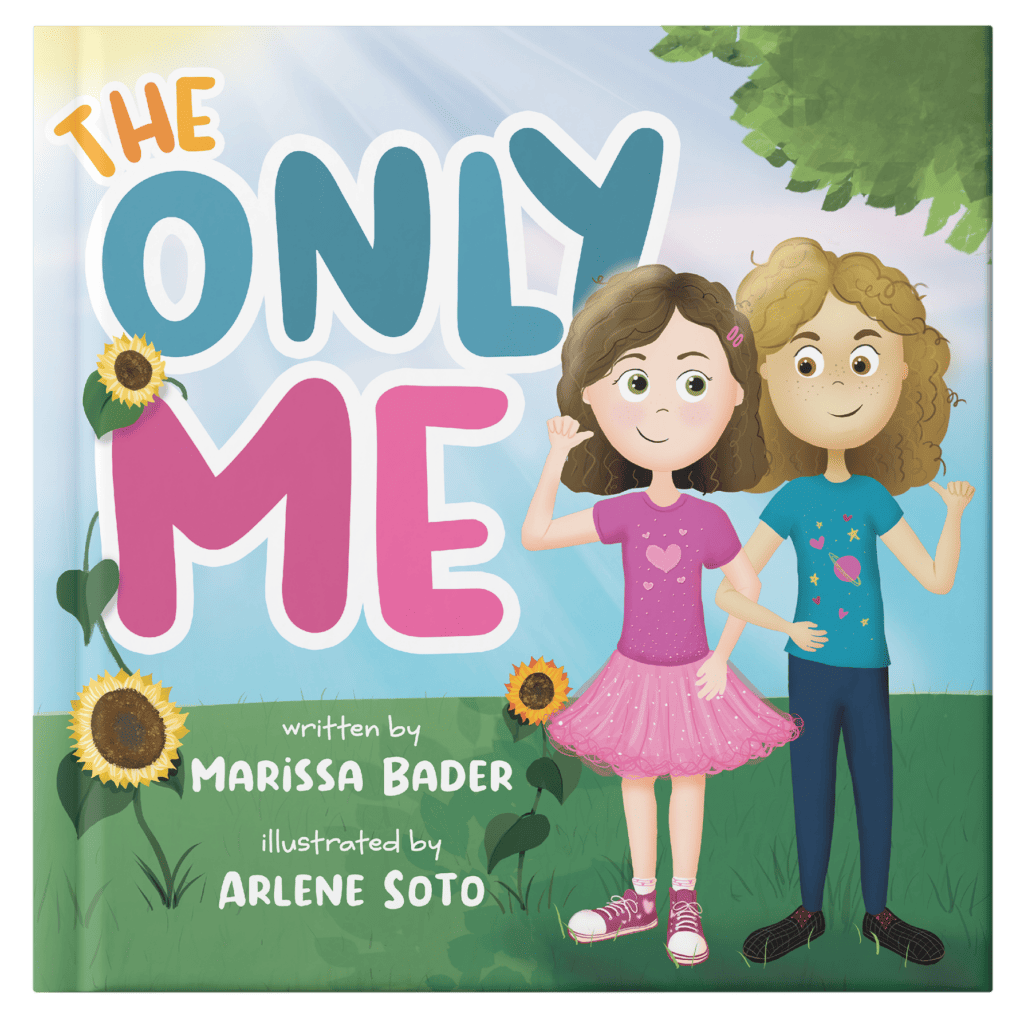
The Only Me was named one of the top 100 indie children’s books of 2022 by Kirkus Reviews and earned a 5-star Book Review Award from Litpick.
We don’t spam! By signing up, you agree to get emails from Marissa Bader.
To ensure you receive my emails make sure to add marissa@marissabader.com to your contacts or list of safe senders. You can unsubscribe at any time.
A PDF download will be sent to your inbox.
We don’t spam! By signing up, you agree to get emails from Marissa Bader.
To ensure you receive my emails make sure to add marissa@marissabader.com to your contacts or list of safe senders. You can unsubscribe at any time.
A PDF download will be sent to your inbox.
We don’t spam! By signing up, you agree to get emails from Marissa Bader.
To ensure you receive my emails make sure to add marissa@marissabader.com to your contacts or list of safe senders. You can unsubscribe at any time.